In an increasingly competitive and uncertain business landscape, organizations are under more pressure than ever to operate efficiently, maximize returns, and remain financially resilient. Whether you’re a small business owner, a growing startup, or a corporate leader, mastering financial, budget, and revenue optimization isn’t just an advantage – it’s a necessity for long-term success.
This blog explores how these three pillars work together to drive clarity, stability, and sustainable growth.
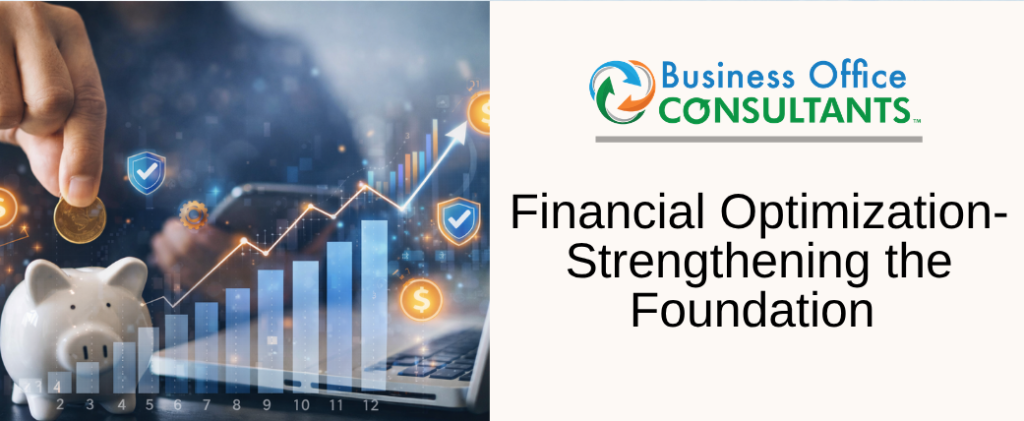
Financial Optimization: Strengthening the Foundation
Financial optimization is all about maximizing the value of your financial resources. It focuses on improving financial performance by refining how capital is allocated, managed, and leveraged. It is, in essence, the business definition of getting the most bang for your buck.
Key Components:
1. Cash Flow Management: Ensuring the business has enough liquidity to operate smoothly and invest in growth opportunities. This includes everything from making sure there are enough funds on hand to meet payroll to making sure the company has, either on hand or access to, enough cash or credit to take advantage of expansion or investment opportunities beneficial to the operation’s short- and long-term growth.
2. Cost Structure Analysis: Identifying unnecessary expenses, inefficiencies, or duplications. Whether that means an audit to ensure the company isn’t being billed for the same service more than once, checking pricing among suppliers to ensure the best deal, or improving equipment quality and operating procedures to ensure the company is running at optimal levels, cost structure analysis is all about saving money; and any money saved is money earned, which adds to the company’s profit margin.
3. Capital Allocation: Directing resources toward the initiatives that provide the greatest ROI. Again, this can be seen as getting the most bang for your buck; making sure that every dollar spent is used in the most efficient manner possible.
4. Risk Management: Minimizing financial exposure through forecasting, diversification, and contingency planning. While it is not possible to guarantee that any investment or purchase with be 100% risk-free, the area of risk management can ensure that the risk has been reduced as much as possible.
Why It Matters:
With optimized financial systems, businesses gain stability, reduce waste, and build a strong foundation to support strategic initiatives. It enhances the organization’s ability to pivot, withstand economic fluctuations, and identify opportunities for advancement.
Conclusion
Financial optimization is not simply about cutting costs or increasing short-term profits – it is about strengthening the very foundation of the business. By aligning financial strategy with operational goals, monitoring performance through meaningful metrics, and making informed, data-driven decisions, organizations can build resilience and long-term stability. When resources are allocated efficiently and financial processes are continuously refined, businesses are better equipped to manage risk, adapt to change, and pursue sustainable growth. Ultimately, a strong financial foundation empowers leaders to move forward with confidence, turning strategy into measurable success.