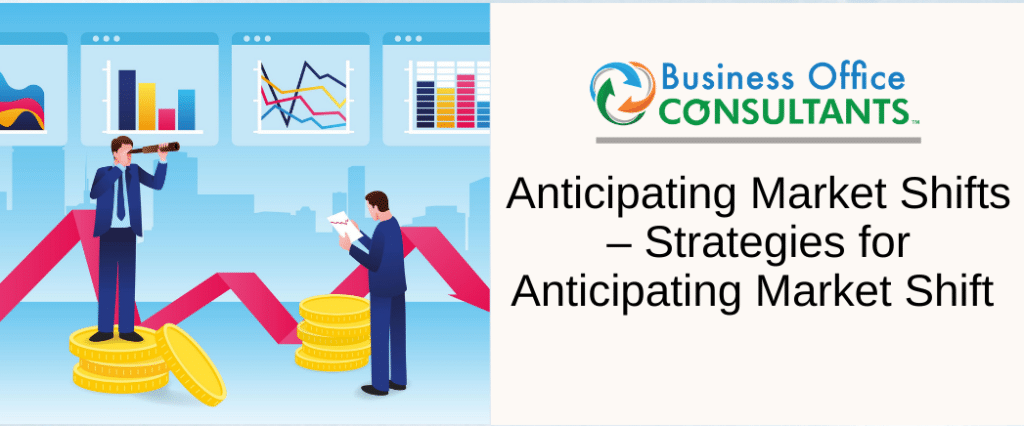
Anticipation is not guesswork – it’s a disciplined process supported by strategy and data. Oftentimes, this data can come directly from your customers; social media posts of customers, comments on your social media by customers, surveys, all of these can provide invaluable information that, used wisely, can help a company prepare for a market shift.
Invest in Market Research and Intelligence
Regular market research, trend analysis, and competitive intelligence help businesses identify patterns and emerging opportunities early. This includes data gleaned from surveys, comments, etc. In trying to understand the market, and anticipate the shifts likely to occur over time, there is virtually no such thing as too much information.
Adopt a Flexible Business Model
Agility is essential. Businesses with adaptable processes, scalable systems, and flexible offerings can pivot quickly when conditions change.
Utilizing a flexible business model can be as straightforward as engaging contract workers or freelancers instead of maintaining a larger full-time workforce for specific projects or functions. This approach helps control fixed labor costs while enabling the organization to scale resources up or down based on operational demand, workload fluctuations, and growth cycles. Companies can also offer a mix of in-office and remote work options, accommodating different employee needs and preferences while also potentially reducing overhead costs.
Encourage Strategic Thinking Across Teams
Market insight shouldn’t be limited to leadership alone. Sales, marketing, customer service, and operations teams all interact with the market and can provide valuable perspective. In other words, listen to your employees. Oftentimes, the people analyzing data and developing processes based on said data only have the numbers; the frontline employees – those who interact with the consumer, as well as vendors on a daily basis – can provide invaluable insight into the context of those numbers.
Use Data to Inform Decisions
Predictive analytics and performance metrics enable businesses to forecast trends, test scenarios, and make informed strategic decisions rather than relying on intuition alone.
Whether those service are outsourced to large companies like IBM, Microsoft or Oracle, smaller firms like Analytical Wizards or Accenture, or even done in-house using platforms such as SAS or DataRobot, predictive analytics can help companies take advantage of the available historical data to provide themselves with valuable information on the patterns that can help forecast future trends and market shifts.
Turning Insight into Action
Anticipating market shifts is only valuable if it leads to decisive action. Businesses must be willing to refine strategies, invest in innovation, and sometimes challenge long-standing assumptions. This may involve developing new products, repositioning a brand, entering new markets, or exiting declining ones.
Organizations that consistently translate insight into action build resilience. They don’t fear change – they expect it and prepare for it.
Conclusion
Anticipating market shifts is no longer a reactive exercise but a strategic necessity for long-term business success. By continuously monitoring market signals, understanding evolving customer needs, and leveraging data-driven insights, organizations can move ahead of change rather than chase it. Businesses that embed adaptability, proactive planning, and strategic foresight into their operations are better positioned to mitigate risk, capitalize on emerging opportunities, and sustain competitive advantage in an ever-changing marketplace.